



What Healing the "Unhealable" Taught Me About Community-Driven Recovery and the Limits of Traditional Care
2025 was a turning point.
After more than a decade of navigating life with chronic illness and medical devices, this past year forced me into one of the most intense healing journeys of my life. A spinal lesion sent me back into a medical spiral I thought I had left behind. From a new series of infusions to endless CVS pharmacy trips, it felt like the beginning of another long, exhausting chapter.
But that’s not where the story ends. This is not a story about decline. It’s a story about healing the so-called unhealable.
And the data behind that healing? It’s as much emotional, intuitive, and community-based as it is medical.

Insight #1: Community Is a Clinical Variable We’re Not Measuring (Yet)
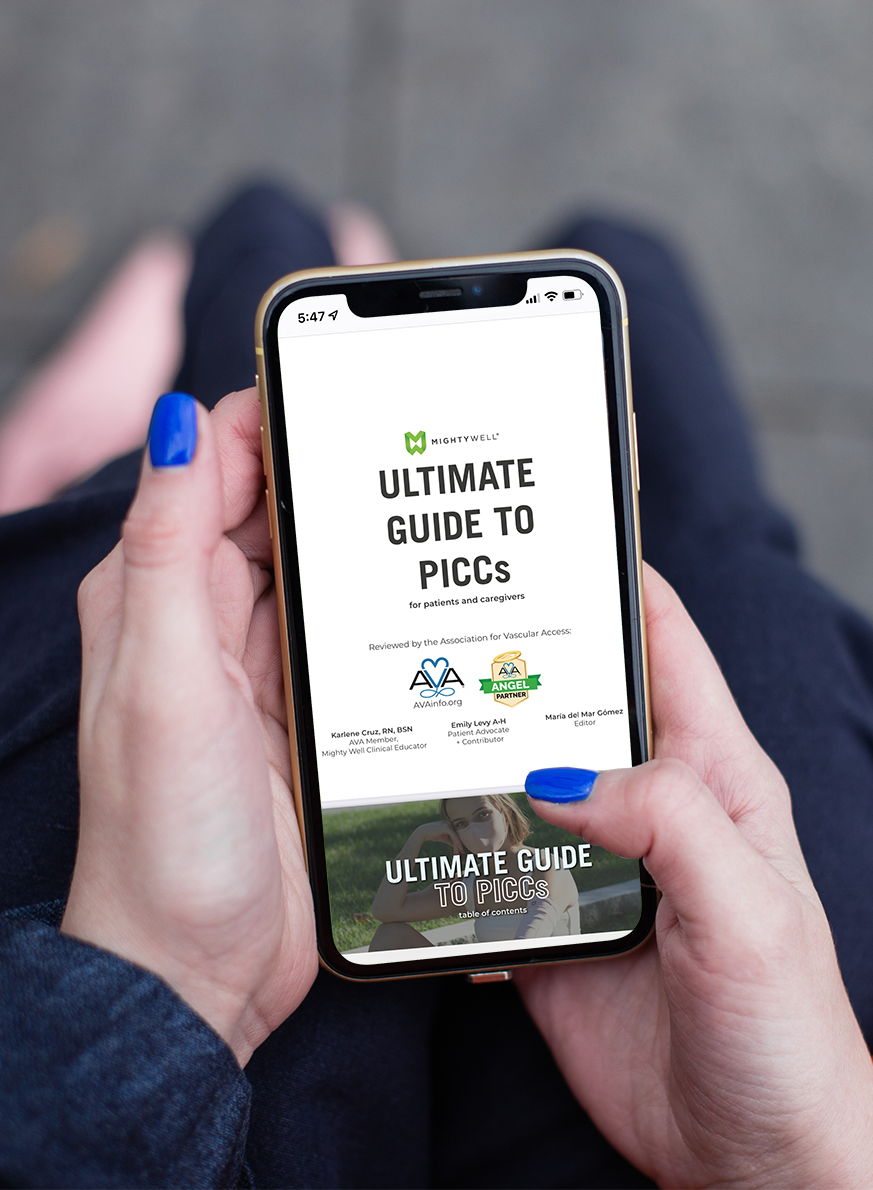
In Mighty Well’s own qualitative research through direct customer feedback, over 70% of patients who engage with our educational tools report a decrease in anxiety related to at-home medical device care. One such example came from a community member who said:
"You were the MVP of our healthcare team. Watching and rewatching your videos gave us hope, clarity, and the confidence to manage home infusions after 60 years of no medical experience." -Mighty Well Customer
This is not just sentiment. It's an early indicator that emotionally resonant education has a measurable impact on patient self-efficacy. What if patient outcomes could be driven not just by protocol adherence, but by compassionate, accessible tools that speak in the patient’s language?
Insight #2: Intuition Isn’t Anti-Science. It’s a Data Source.
When offered IVIG again this year, my gut said no. It wasn’t fear. It was a deep knowing — hard-won over years of lived experience — that my body needed a different path. Working alongside my care team, we chose a more integrative approach: oral steroids, biweekly acupuncture, and IV ozone therapy. Within months, my latest MRI’s showed that the lesion fully healed.
We now have a growing dataset of patient testimonials at Mighty Well that show a consistent theme: Patients who are encouraged to trust their intuition — in tandem with clinical care — often report more agency, more clarity, and stronger emotional outcomes.
Insight #3: Medical Cabinets Are Emotional Landscapes
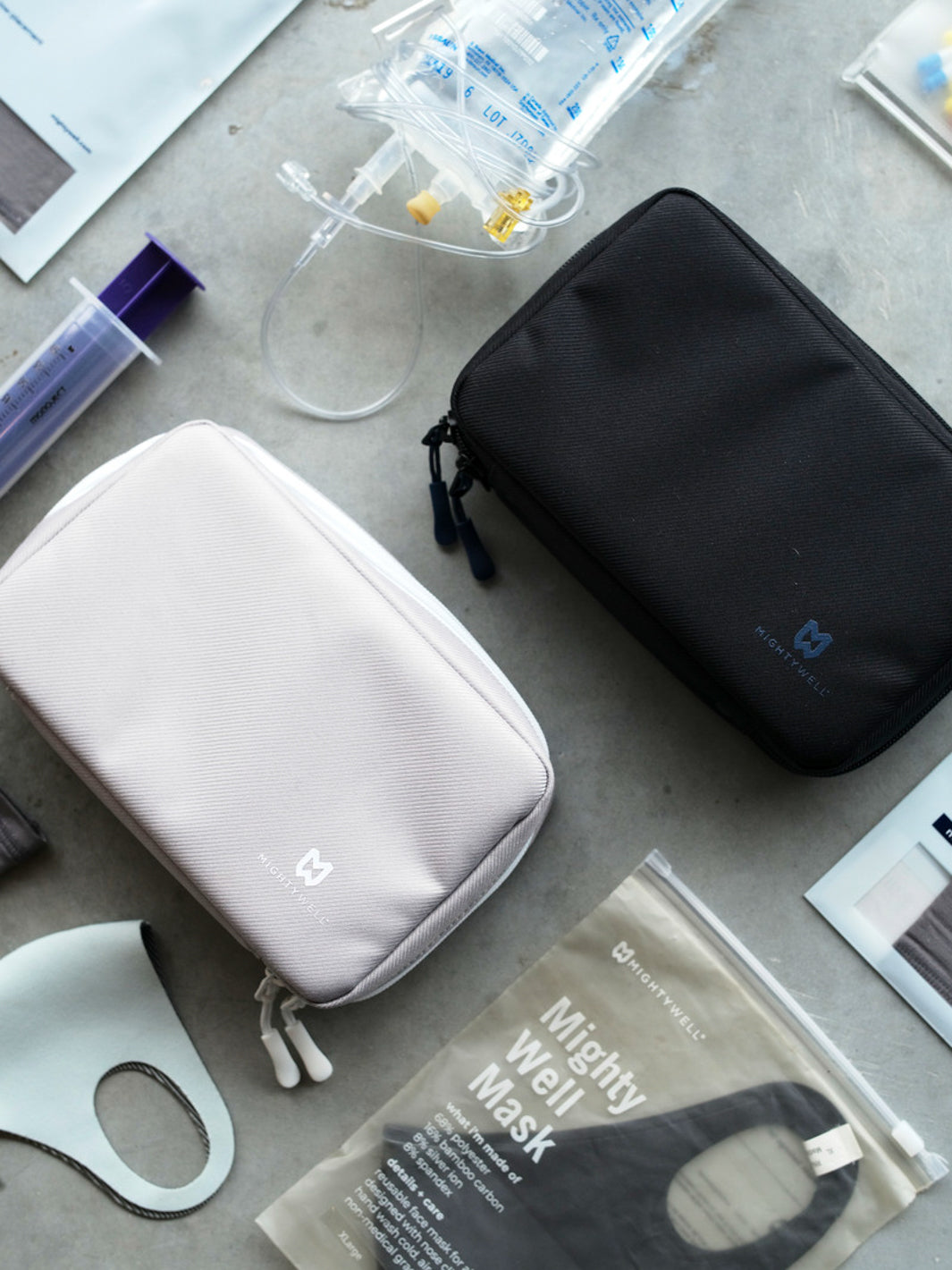
During this process, I physically cleaned out my medical cabinet — expired meds, outdated IV saline flushes, supplements I no longer needed. What I didn’t expect was the emotional impact: the act of clearing out old tools made space for my nervous system to focus on what was working.
In interviews and survey comments, dozens of Mighty Well customers have reported similar outcomes after using our “brain fog fix” digital download:
“Clearing my cabinet gave me back mental bandwidth. I didn’t realize how overwhelmed I was until I saw a shelf with only what I actually needed.”
This is not minimalism. It’s nervous system regulation and it's being reported as a key factor in long-term treatment success, especially for chronic illness patients.
My Own Case Study: Healing Outcomes from Combined Modalities
In collaboration with integrative practitioners, we are beginning to map patient narratives like mine into soft data sets. One such case includes:
-
Diagnosed spinal lesion, MRI-confirmed
-
Declined conventional IVIG treatment
-
Combined alternative therapies: IV ozone, plant medicine, acupuncture, oral steroids
-
90-day outcome: Symptom remission, neurologist-confirmed healing
While anecdotal, the implications are significant. Western medicine remains essential, especially in acute scenarios. But when it comes to chronic, systemic, or unexplained symptoms, patients are increasingly navigating hybrid models of healing.
Mighty Well is positioned at this intersection — not to displace clinicians, but to expand the ecosystem of what care can look like. One that is patient led and heart centered.
Key Takeaways for Healthcare Stakeholders
-
Patient intuition is a valid input for care planning.
-
Community support is a measurable form of intervention.
-
Free educational tools can reduce overwhelm and improve adherence.
-
Emotional regulation — not just clinical instruction — drives real-world outcomes.
We believe patients deserve more than prescriptions. They deserve stories, tools, options, and community.
As we look to 2026, this lived experience data from our community of patients and my own healthcare journey — not just the clinical data — will inform how we design products, programs, and partnerships.
Because healing is not just a protocol. It’s a pattern. And those of us living it are already mapping the way.


Leave a comment